


Airbnb Alternatives for a Profitable Rental Cottage
A cottage can be fully booked in July and sit quiet in April. To aim for a more stable rental return, investors need to compare three things before deciding where to list it: winter and summer demand, the management workload, and the channel’s ability to reach the right guests. In Quebec, a specialized platform such as MonsieurChalets becomes relevant when a cottage focuses on the guest experience, compliance, and travellers who are looking for a nature getaway.
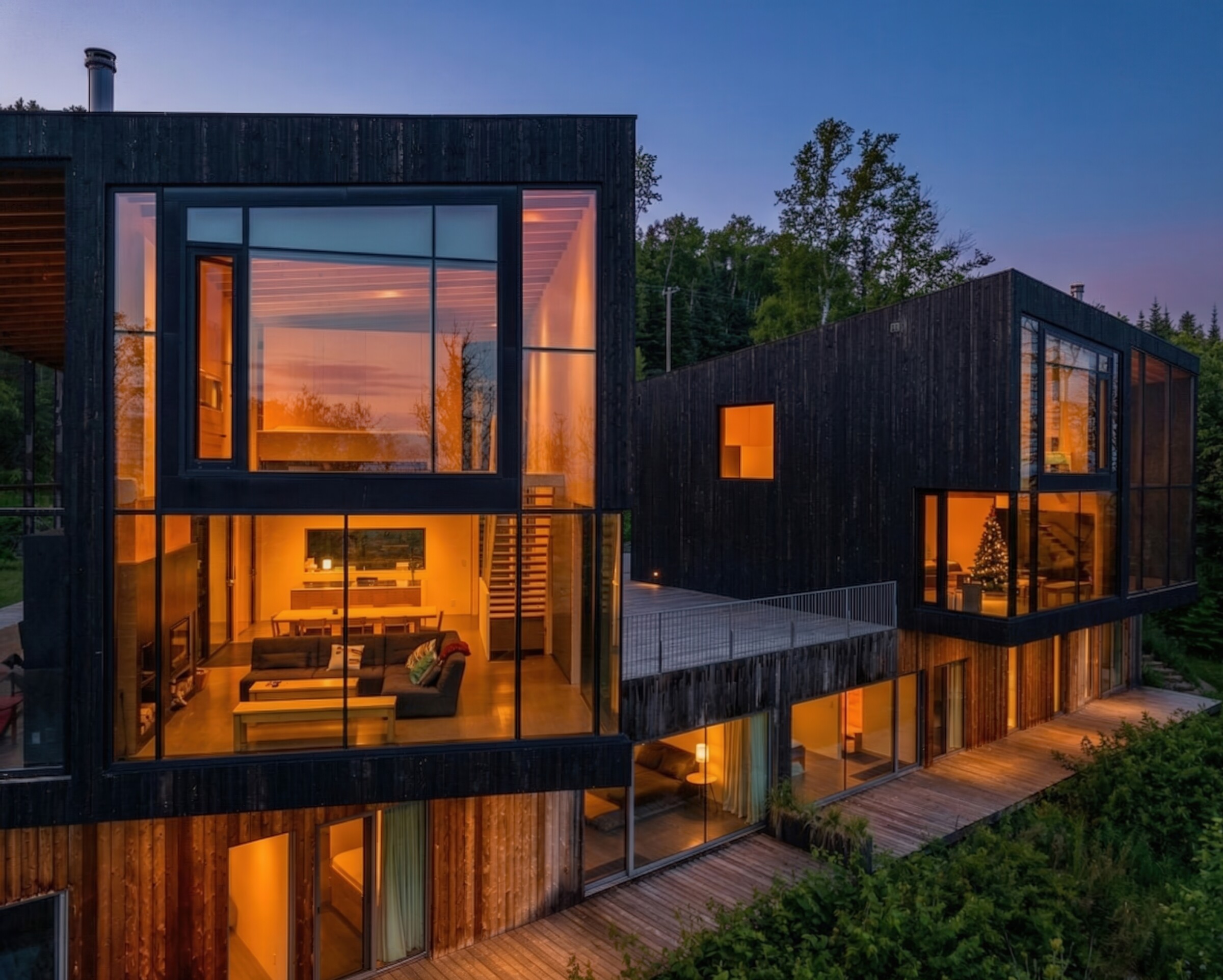
The best model depends on the cottage, not just the channel
The best marketing model is the one that fits the region, the amenities, and how involved the owner wants to be. A large property near the ski slopes is not marketed the same way as an intimate lakeside cabin.
To make a useful comparison, look at four indicators:
- Winter occupancy: demand related to skiing, snowmobiling, hot tubs, and weekend getaways.
- Summer occupancy: demand related to waterfront access, decks, kayaking, hiking, and family vacations.
- Operating cost: time spent on listings, messages, cleaning, arrivals, and unexpected issues.
- Revenue quality: booking consistency, length of stay, respect for house rules, and the potential for repeat guests.
Occupancy alone is not enough. A calendar filled with demanding short stays can leave a smaller margin than one that is slightly less full but better organized.
Comparing rental models for a cottage
The most useful comparison is between self-management, multichannel distribution, and specialized management. These are three ways to divide responsibility for visibility, operations, and vacancy risk.
| Model | Winter | Summer | Owner’s workload | Best suited to |
|---|---|---|---|---|
| Self-management | Good if the owner regularly adjusts the listing and availability | Good if outdoor amenities are well presented | High | An available owner who lives near the cottage |
| Multichannel distribution | Useful for reaching guests with different travel plans | Useful for diversifying sources of regional demand | Moderate to high | A cottage with a well-organized booking calendar |
| Specialized management through a Quebec platform | Suited to ski, hot tub, and nature stays | Suited to waterfront cottages and activity-based stays | Lower | An owner who wants to delegate operations |
This table does not replace a financial projection. It helps you ask the right questions before entrusting a cottage to a partner or changing your booking strategy.
Compare winter and summer before aiming for the best return
A profitable cottage needs to give guests a reason to book in more than one season. Properties that depend on a single event, resort, or type of guest become more vulnerable when demand slows.
What supports winter demand
Winter favours cottages that offer a complete experience from the moment guests arrive. A crackling fireplace, an outdoor hot tub in the snow, easy access after a snowfall, and a place to dry clothing speak directly to travellers.
The criteria to consider are straightforward:
- actual distance from slopes or trails;
- winter access and snow removal;
- a fireplace, hot tub, sauna, or Nordic bath;
- space for boots, skis, and equipment;
- the option to book a weekend or a longer stay.
A property without a clear winter attraction needs another compelling reason to visit. Views, privacy, and indoor comfort can support demand, but the listing needs to show them through accurate photos and concrete details.
What supports summer demand
Summer rewards cottages that make outdoor living easy. A dock, beach, shaded deck, BBQ, and lake access can make the difference between a generic listing and a getaway guests can already picture.
To assess summer potential, check:
- direct waterfront access or the actual distance to the water;
- activities available without a long drive;
- outdoor space the group can comfortably use;
- comfort on hot days;
- a guest capacity suited to families or friends.
A cottage that performs well in summer but not in winter is not necessarily a poor investment. You simply need to account for that seasonality in your bookings, maintenance, and personal-use periods.
Hidden costs often reduce returns
A channel’s cost is not limited to its advertised commission. The owner’s time, travel, emergency calls, cleaning delays, and calendar errors also have a value.
Before comparing two options, include these items in your projection:
- creating and updating the listing;
- photography and copywriting;
- responding to guests;
- coordinating cleaning and hot tub maintenance;
- seasonal maintenance and snow removal;
- handling damage and complaints;
- tracking revenue and stays;
- checking municipal and tourist accommodation compliance.
A solution that appears less expensive may require several hours a week. Conversely, delegated management only makes sense if it improves organization, protects the guest experience, and reduces vacant periods.
Include compliance in the comparison from the start
In Quebec, short-term rentals require you to check the applicable framework before publishing a listing. The Government of Quebec sets out the general rules for tourist accommodation, while the CITQ explains registration for rental cottages, condos, and houses.
The municipality may also impose zoning, permit, or use requirements. A property that looks attractive on paper is not a viable opportunity if short-term rentals are not permitted at that location.
Before calculating your return, confirm:
- the right to rent for your intended length of stay;
- the required certificate or registration;
- applicable safety rules;
- information that must appear in the listing;
- taxes and records to retain.
This step protects your future booking calendar. It also prevents you from building a projection around nights that cannot legally be sold.
Why a Quebec platform may be a better fit for a cottage
A platform specializing in Quebec can present a cottage using the language and details local travellers look for. It understands the difference between a waterfront getaway, a ski trip in the Laurentians, and a quiet weekend in Mauricie.
For an owner, the value goes beyond having a listing online. It also comes from how the property is positioned, photographed, and presented through search filters to match the right stay.
The MonsieurChalets cottage rental management page can be a starting point for comparing delegation, visibility, and support. The become a host page then helps you explore whether your property fits the offering. Both resources are in French.
A good partner should be able to answer these questions clearly:
- How do you present the differences between winter and summer?
- Who responds to guests in the evenings and on weekends?
- How do you coordinate cleaning, maintenance, and emergencies?
- What reports does the owner receive?
- How are municipal and tourist accommodation requirements checked?
Vague answers on these points warrant a closer look before signing.
A simple method for comparing options before buying
The best analysis starts with a specific property, not a general promise of returns. Follow this sequence:
- Define your main guest profile. Couples, families, groups, skiers, and waterfront travellers each book for different reasons.
- Separate the seasons. List the attractions for winter, summer, spring, and fall. A cottage without a clear advantage in one season should be assessed cautiously.
- List every task. Include travel time and emergencies, not just publishing the listing.
- Check the rules. Consult the municipality and tourism authorities before relying on a revenue assumption.
- Compare net results, not visibility. A frequently viewed listing does not guarantee well-matched stays or a healthy booking calendar.
- Plan for personal use. Dates reserved for yourself reduce booking capacity, but they are part of the cottage’s real value.
The cottage rental profitability calculator, available in French, can complement this initial assessment. It does not replace checking the rules or taking a realistic view of demand in your target area.
FAQ
What are the best cottage rental platforms in Quebec?
The best platform depends on the region, the type of cottage, and the level of management you want. For an owner targeting Quebec travellers and looking to present a complete experience, MonsieurChalets offers a specialized starting point.
How do you assess a cottage’s rental return before buying?
Separate winter and summer demand, then account for operating costs, management time, and personal-use periods. Also confirm your right to rent before relying on a revenue projection.
What increases a cottage’s winter occupancy?
Easy winter access, a fireplace, a hot tub, nearby activities, and a clear visual listing can support demand. The cottage needs to give guests a good reason to book even when weather conditions change.
What attracts guests to a cottage in summer?
Water access, a pleasant deck, outdoor activities, and capacity suited to families or groups are strong advantages. Photos should show the grounds and outdoor spaces, not just the living room.
Should you manage a rental cottage yourself?
Yes, if you are available, live near the property, and are ready to handle messages, cleaning, maintenance, and emergencies. Delegation becomes relevant when those tasks affect your time or the quality of the stay.
What rules should you check before renting out a cottage in Quebec?
Check municipal rules, the required registration or certificate, and obligations related to tourist accommodation. Resources from the Government of Quebec and the CITQ are the starting points.
Sources and references
- Government of Quebec, tourist accommodation: general tourist accommodation framework (in French).
- CITQ, cottage registration: requirements for rental cottages (in French).
- MonsieurChalets, cottages for rent: cottage listings and search filters.
- MonsieurChalets, cottage rental management: owner support model (in French).